
How to Make Gimbap: The Ultimate Authentic Korean Sushi Roll Guide

posted in: Nori Sheets, Seaweed | 1

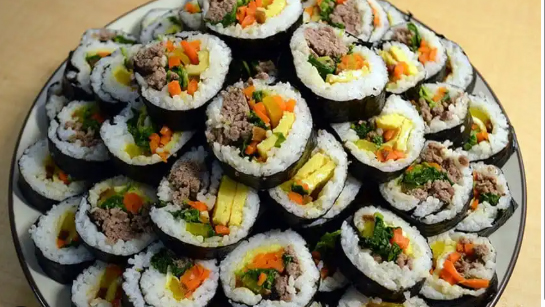
Gimbap (or Kimbap) is a popular Korean dish made by rolling rice and various fillings in dried seaweed (gim). It looks similar to sushi rolls but has a distinct flavor and cultural identity.

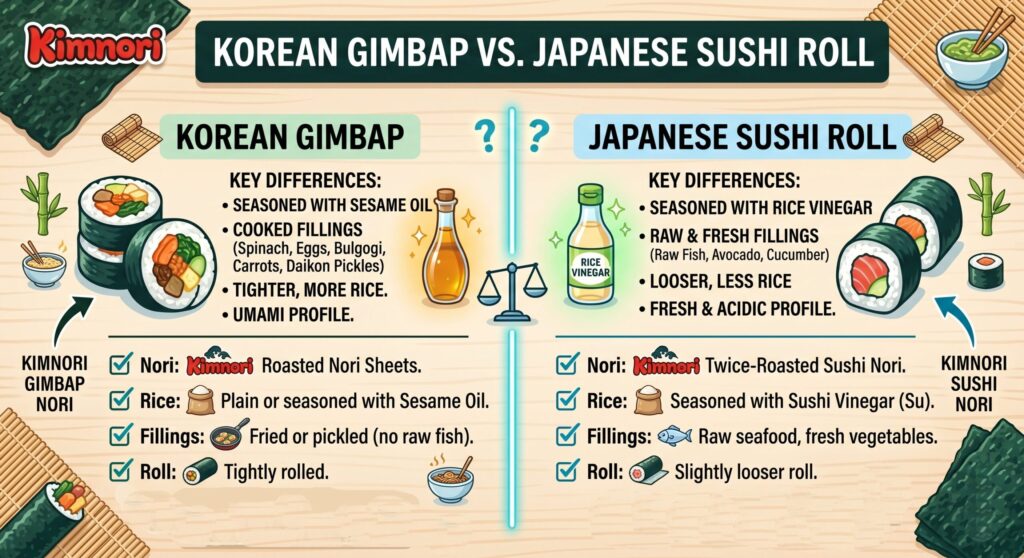
Key differences between Gimbap and Japanese sushi:

  • Seasoning of rice
    • Gimbap: Rice is flavored with sesame oil and salt, giving it a nutty, savory taste.
    • Sushi: Rice is seasoned with vinegar, sugar, and salt, making it tangy.
  • Fillings
    • Gimbap: Typically uses cooked or preserved ingredients like bulgogi (beef), egg, spinach, pickled radish, or tuna.
    • Sushi: Often features raw fish (like salmon or tuna), though cooked options exist.
  • Flavor profile
    • Gimbap: Rich, slightly oily, and savory from sesame oil.
    • Sushi: Light, fresh, and slightly acidic.
  • Cultural context
    • Gimbap: Common as a casual meal or picnic food in Korea.
    • Sushi: More associated with restaurant dining and traditional Japanese cuisine.

In short: they may look alike, but Gimbap leans hearty and savory, while sushi is lighter and more delicate.

Infographic comparing Korean Gimbap and Japanese Sushi Roll - Vinegar vs. Sesame Oil, Cooked Fillings vs. Raw Fish - Kimnori Gimbap & Sushi Nori

 CTA button for shop sushi nori sheets

How to make Gimbap 

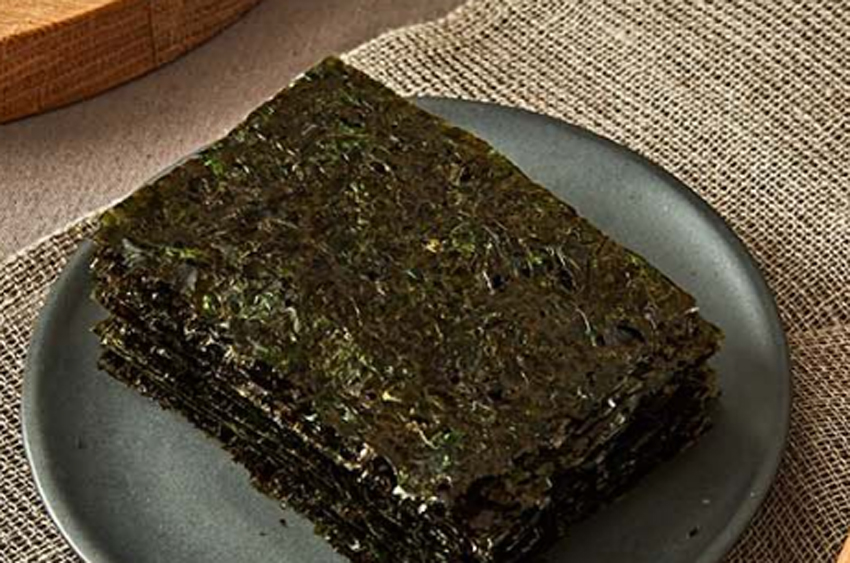
Lightly toast 10 half-cut sheets of sushi nori (the kind used for gimbap). If you prefer full-size sheets, you can use those instead. Toast them in a frying pan over low heat, flipping once, until the deep black color turns slightly greenish. The crispier the nori, the better the gimbap will taste. Cut each sheet in half so you end up with 20 pieces.

Preparing recipes that go with the nori sheets

1. Bunch of spinach

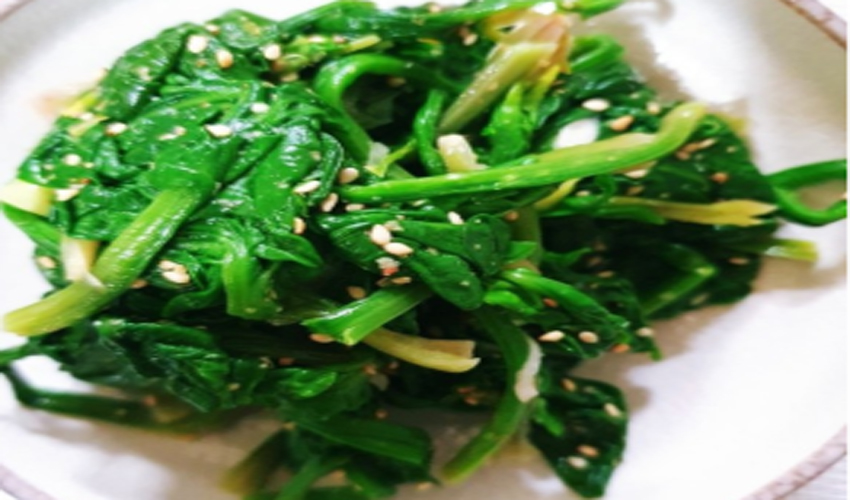
Trim the spinach and blanch it in boiling water for about 1 minute and 30 seconds, stirring gently as it cooks. Rinse immediately under cold water, then squeeze out as much moisture as you can.

Add 1 tablespoon of sesame oil, 1/2 tablespoon salt, and 1 tablespoon sesame seeds to the drained spinach. Toss gently by hand until everything is evenly seasoned.

How to make Gimbap

2. Half of a carrot

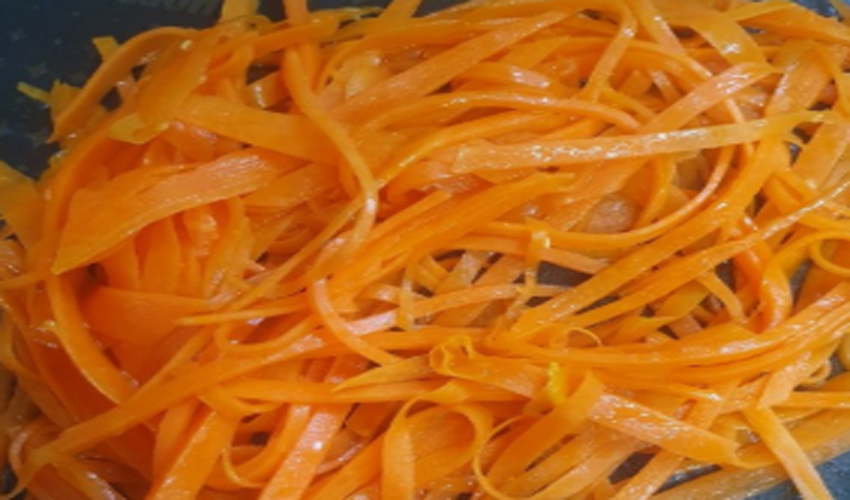
Prepare half of a small carrot and julienne it thinly. Thinner strips work better than thick ones for tasty gimbap. Heat 1 tablespoon of cooking oil in a frying pan, then add the julienned carrot and a pinch of salt. Stir-fry until tender.

How to make Gimbap

3. Eggs

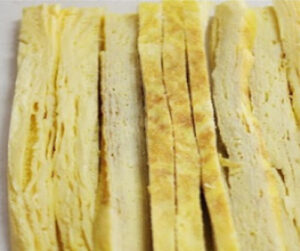
Crack 3 eggs and remove the chalaza (the white strands). Fry the eggs into a thin omelet, then let it cool slightly and cut into thin strips.
How to make Gimbap

3 Bowls of rice 

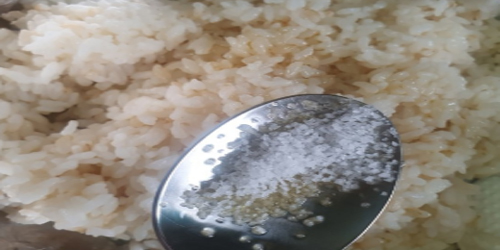
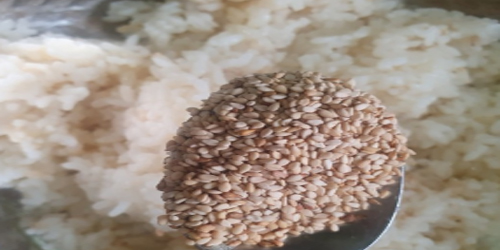
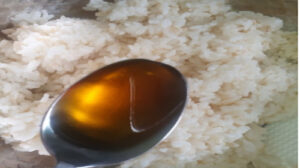
Prepare 3 bowls of cooked rice. Add 1 tablespoon of sesame oil to the rice and mix well.
How to make Gimbap

4. Add 1/2 tablespoon of salt.

5. Add 1 tablespoon of sesame seeds.

How to make Gimbap

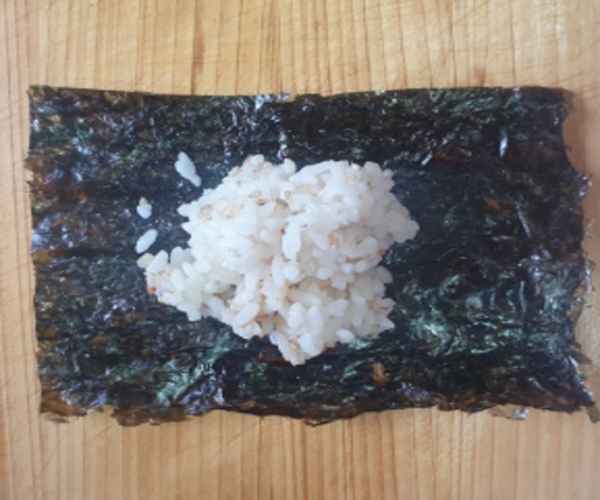
6. Laying rice on the nori sheet 

Place a sheet of nori and spread a proper-sized amount of seasoned rice evenly over it. Make sure the rice is distributed evenly across the nori to create neat and well-shaped gimbap.

How to make Gimbap

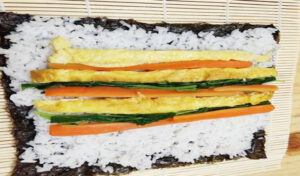
7. Start putting recipes on the nori sheet

Place the egg strips, carrots, spinach, and Tuna (or Bulgogi) on top of the rice, then roll everything tightly.

How to make Gimbap

Tips for making delicious gimbap:

  1. Place the rough side of the nori facing up.
  2. Spread the rice thinly.
  3. Arrange the fillings as close to the bottom edge of the nori as possible.
  4. Roll tightly, pressing firmly as you go.”