
Understanding the California Proposition 65 Warning
Proposition 65, officially known as the Safe Drinking Water and Toxic Enforcement Act of 1986, is a “right-to-know” law. Its main goal is to notify people in California that they are being exposed to specific chemicals.
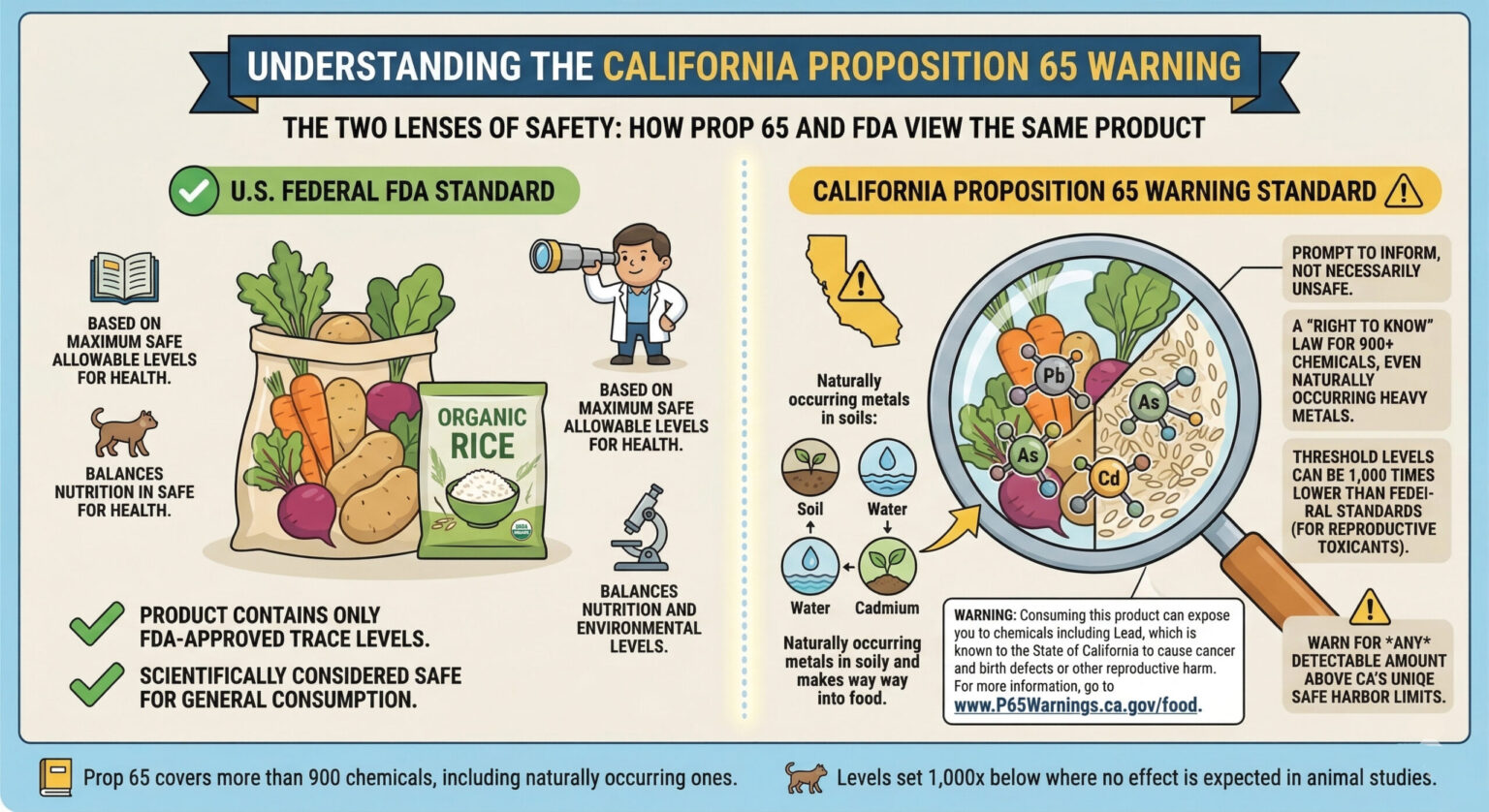
What the Warning Means
When you see this warning, it means a business is informing you that their product contains one or more of the 900+ chemicals the State of California has identified as potentially causing cancer, birth defects, or reproductive harm.
It’s Not Just “Man-Made”: The list includes industrial solvents and pesticides, but it also covers naturally occurring elements like lead, arsenic, and cadmium.
Environmental Sources: These heavy metals are often found in the soil and water where crops (like seaweed, rice, or root vegetables) are grown. Because the plants absorb these elements naturally, the final food product may trigger a warning.
Why the Thresholds Are Unique
One of the most important things to understand is that California’s “safe” levels are significantly stricter than federal standards (like the FDA or EPA) or international guidelines.
Extreme Caution: For chemicals that may cause reproductive harm, the warning threshold is set 1,000 times lower than the level at which no negative health effects were observed in animal studies.
Warning vs. Safety: Because the threshold is so low, a Prop 65 warning does not necessarily mean a product is “unsafe” by federal standards; rather, it means the chemical is present above California’s uniquely tiny “safe harbor” limit.
Why Is It Important?
This law is designed to give you the information needed to make informed decisions about the products you buy and the environments you enter. For many, it serves as a prompt to research a brand’s testing standards or to understand the natural origins of their food.
Why Does Kimnori Seaweed Include a Prop 65 Warning?
As a primary manufacturer with world-class food safety certifications, Kimnori maintains the highest standards for quality and purity. Because seaweed is a natural “sponge” of the ocean, it can absorb trace minerals—including heavy metals like lead or arsenic—directly from the marine environment.
Our Commitment to Transparency
The California Proposition 65 warning is not an indication that our products are “tainted” or unsafe. Instead, it is a “right-to-know” disclosure.
Natural Origins: These minerals are naturally occurring in the Earth’s crust and oceans. They are present in many healthy foods, including root vegetables, rice, and seafood.
Strict Standards: California’s warning thresholds are often 1,000 times lower than federal safety limits. We provide this information to ensure our customers are the most informed consumers in the market.
Manufacturer Oversight: Unlike brands that outsource production, Kimnori owns the manufacturing process. This allows us to rigorously test and monitor our seaweed to ensure it meets both FDA federal safety guidelines and our own strict internal quality benchmarks.
Kimnori’s Safety & Quality Benchmarks
We take pride in our rigorous production standards, ensuring every sheet of seaweed is processed in a facility that leads the industry in safety.
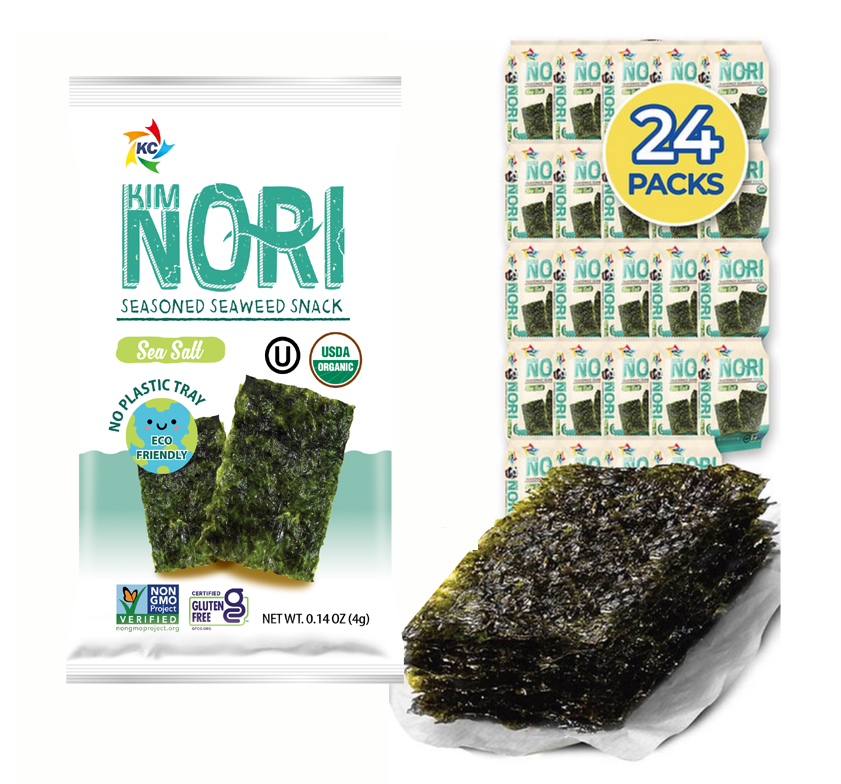
- Kimnori Organic Seaweed Snacks (Sea Salt): Our flagship organic snack, harvested with a focus on purity and roasted using clean, organic oils. It undergoes consistent batch testing to monitor mineral levels.
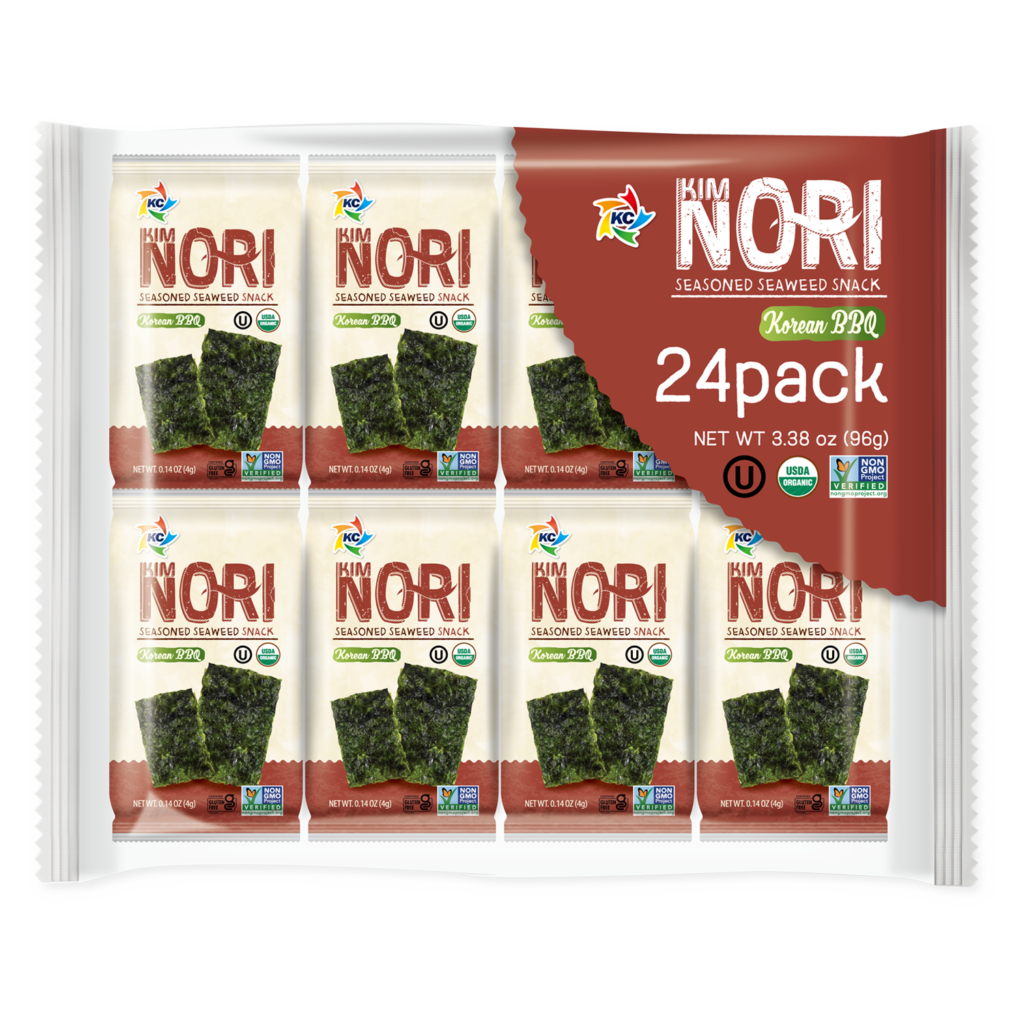
- Kimnori Organic Korean BBQ Seaweed: Produced with the same high standards, this variety adds organic spices while maintaining our strict heavy-metal monitoring protocols.
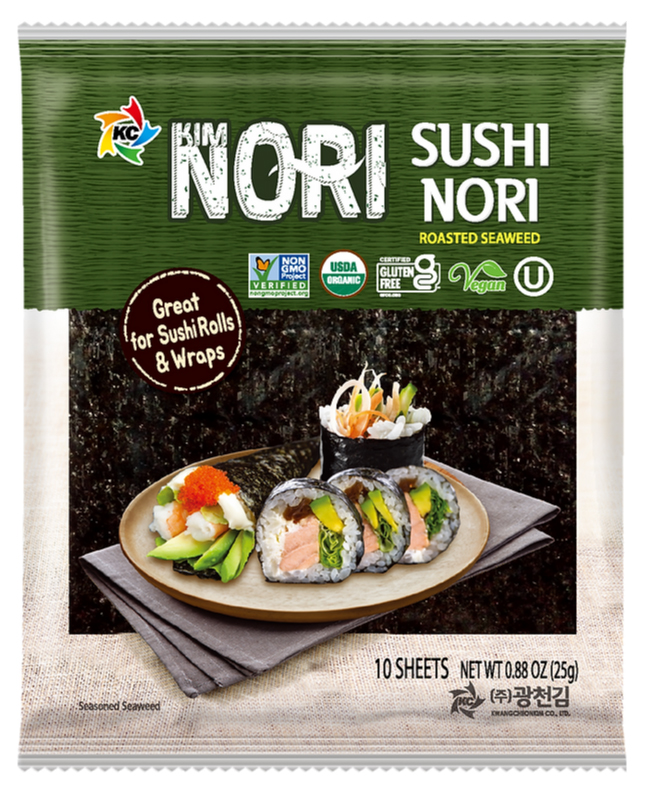
- Kimnori USA Sushi Nori: Professional-grade sheets that are non-GMO and gluten-free, reflecting our commitment to “clean-label” manufacturing.
Kimnori Quality & Safety FAQ
Is it safe to eat seaweed with trace heavy metals?
Yes, it is safe to eat as part of a balanced diet. The trace levels of minerals found in seaweed are comparable to those in everyday healthy vegetables like spinach and carrots, as well as various types of fish. These amounts are well within the safety limits set by global health authorities. As a direct manufacturer, Kimnori routinely tests both raw materials and finished products to ensure they comply with FDA regulations and all other health-based laws.
How do minerals in seaweed compare to other foods?
Elements like lead and cadmium are naturally present in the environment and are found in many daily foods. For instance, root vegetables (potatoes, carrots) and shellfish (mussels, oysters) often contain similar or higher levels of these minerals compared to seaweed. Like these nutrient-dense foods, seaweed is a healthy addition to a diverse diet.
What steps does Kimnori take to ensure product safety?
Your health is our priority. Unlike brands that outsource production, Kimnori owns and operates its manufacturing facilities, giving us total oversight.
Certified Sourcing: Our seaweed is harvested from USDA Certified Organic waters off the coast of South Korea.
Rigorous Testing: We conduct frequent, independent lab testing for heavy metals and purity.
Global Compliance: We strictly follow all safety regulations, including California Prop 65, to provide a product that is both transparent and safe.