
Roasted vs. Dried Seaweed Sheets | Choosing the right Seaweed Sheets
Choosing the right seaweed sheets is an essential step in creating the best possible results in the kitchen. Seaweed has become a global staple, valued for its umami-rich flavor, versatility, and nutritional benefits, but not all seaweed sheets are the same. Whether you’re preparing traditional kimbap, rolling sushi at home, or enjoying a healthy snack, the type of seaweed you select can significantly impact both taste and texture. Two of the most common options—roasted seaweed sheets and dried seaweed sheets—may look similar at first glance, but they serve very different purposes. Understanding how each type is made, how it performs, and when to use it will help you choose the right sheet for every recipe and occasion.
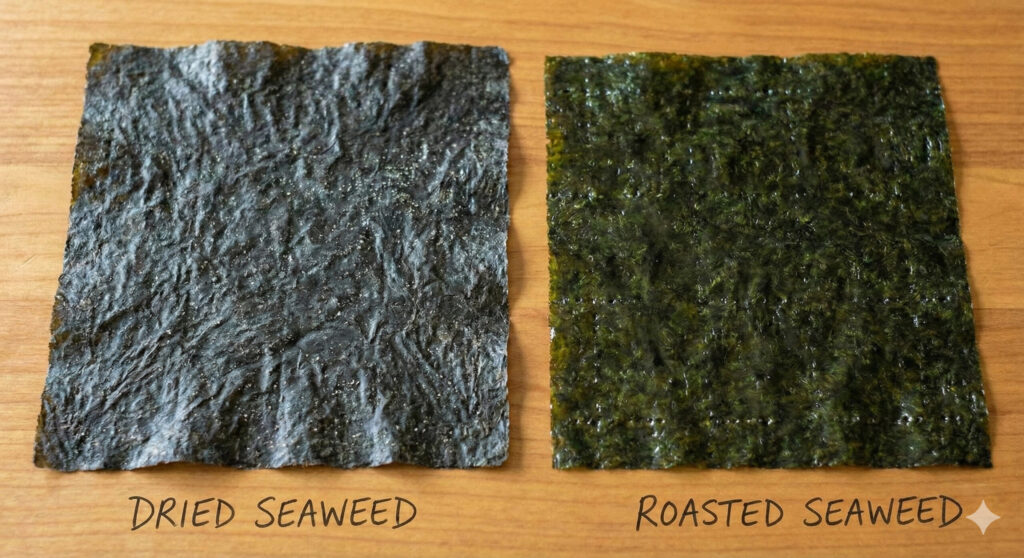
What Are Dried Seaweed Sheets?
Dried seaweed sheets are unseasoned and made in their most natural form by cleaning, pressing, and air-drying harvested seaweed without roasting. This preserves a mild ocean flavor and soft, flexible texture, making them ideal for traditional cooking. Because they are not toasted, they often require light roasting before use in sushi or kimbap, or soaking for soups and stews. Dried seaweed is perfect for cooks who prefer to customize flavors and seasonings to suit their recipes.
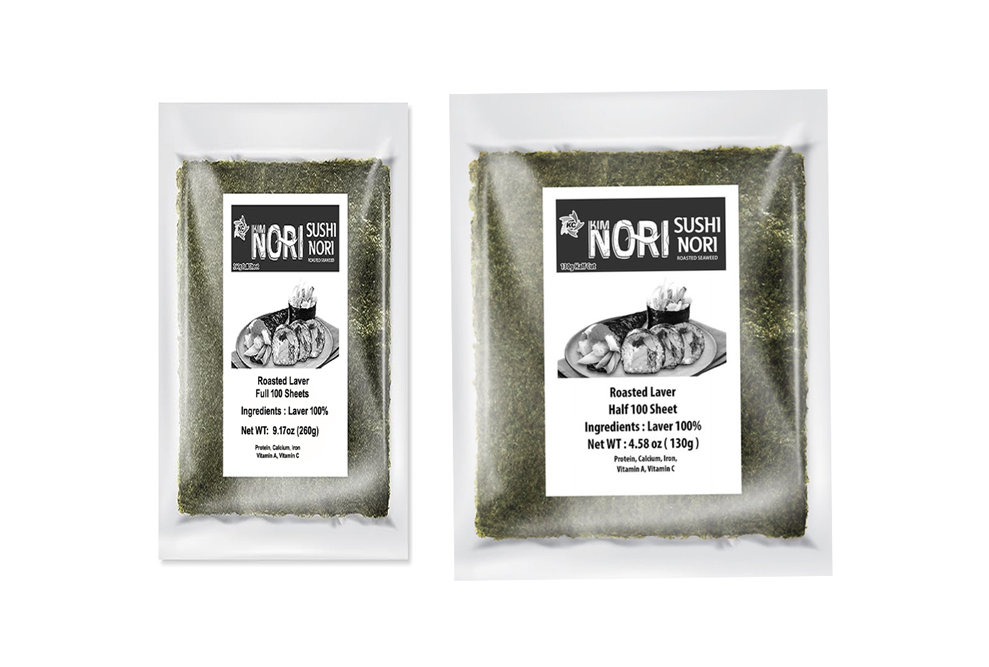
What Are Roasted Seaweed Sheets?
Roasted seaweed sheets go one step further in the production process. After drying, the sheets are lightly toasted and often brushed with oil and seasoning. This creates a crisp, aromatic texture and a bold, savory flavor that’s ready to enjoy straight from the package.
Roasted seaweed is especially popular for snacking, sushi, and kimbap because it’s sturdy, easy to handle, and less likely to tear during rolling. The roasting process enhances the natural umami taste, giving the sheets a rich, nutty aroma and a satisfying crunch.
For beginners, roasted seaweed is often the easier option. There’s no need to prepare or season it beforehand, which makes it perfect for quick meals, lunchboxes, and on-the-go snacks.
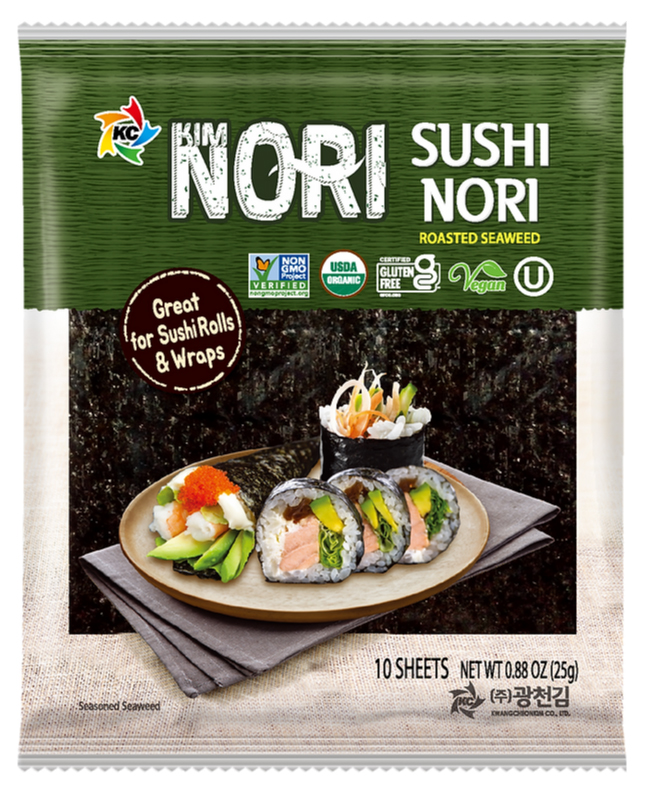
Flavor Differences: Natural vs. Savory
One of the main differences between roasted and dried seaweed is flavor intensity. Dried seaweed has a mild, clean ocean taste that lets other ingredients shine, while roasted seaweed offers a bold, umami-rich flavor with savory depth, making it ideal for snacking and flavorful wraps.
Texture and Ease of Use
Texture plays a major role in how seaweed performs in the kitchen.
Dried seaweed sheets are soft and pliable, which can be useful in soups and stews, but they can feel fragile when used for rolling unless they are toasted first.
Roasted seaweed sheets are crisp and firm, providing better structure for rolling kimbap or sushi. This sturdiness helps prevent tearing and keeps ingredients neatly wrapped, which is why many home cooks and professionals prefer roasted sheets for presentation and ease of handling.
Best Uses for Each Type
Dried Seaweed Sheets Are Best For:
- Traditional soups and broths
- Stews and simmered dishes
- Custom-seasoned recipes
- Cooks who enjoy roasting and preparing their own sheets
Roasted Seaweed Sheets Are Best For:
- Kimbap and sushi rolls
- Ready-to-eat snacks
- Lunch wraps and quick meals
- Beginner-friendly cooking and meal prep
Which One Should You Choose?
The right choice depends on your cooking style and how much convenience you want. If you enjoy traditional cooking and like controlling every layer of flavor, dried seaweed offers flexibility and authenticity. If you value ease, consistency, and bold taste, roasted seaweed is the better option for everyday use.
Many seaweed lovers keep both types in their pantry—dried sheets for cooking and soups, and roasted sheets for rolling and snacking. This way, you’re always prepared, whether you’re making a quick lunch or a full homemade meal.
Final Thoughts
Roasted and dried seaweed sheets each bring something unique to the table. Dried seaweed offers purity and versatility, while roasted seaweed delivers convenience and flavor-forward satisfaction. By understanding the differences in preparation, taste, and texture, you can confidently choose the right sheet for every recipe and occasion—and enjoy seaweed at its very best.
Leave a Reply